How to Master the Art of Table Image in Live Poker
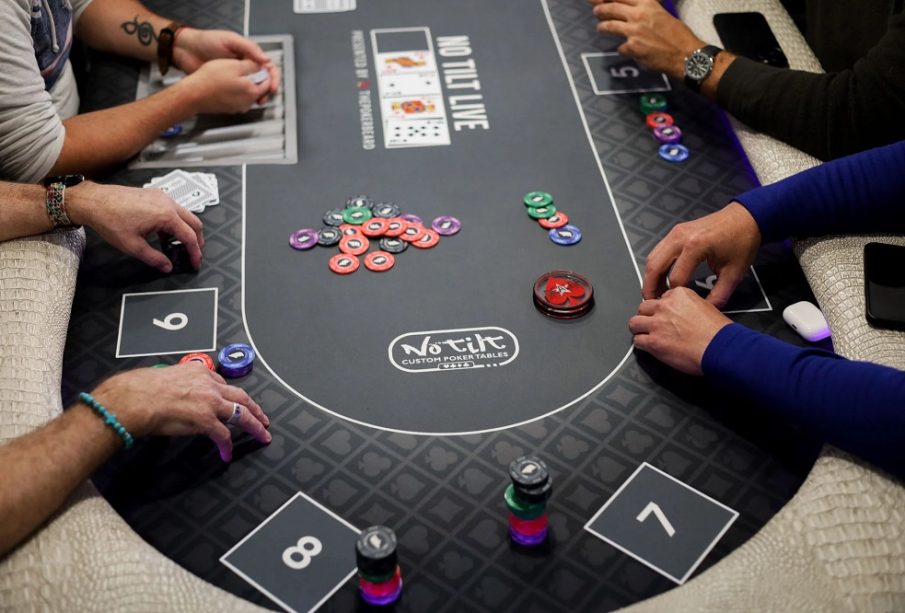
In the digital arena of online poker, players rely heavily on statistical software, real-time data tracking, and mathematical frequencies to make their decisions. The faces behind the screens are anonymous, and the information is largely quantitative. However, when you step into a cardroom or a brick-and-mortar casino, poker reverts to its purest form: a game of psychological warfare played by human beings in real time. In live poker, your most powerful weapon is not just the cards you are dealt, but your table image.
Table image is the collective perception that your opponents hold regarding your playing style, emotional stability, and overall skill level. It is the narrative your opponents construct about you based on your physical actions, verbal cues, betting patterns, and general demeanor. A master of live poker understands that table image is not static; it is a fluid asset that can be consciously shaped, manipulated, and weaponized to exploit the tendencies of everyone else at the table. Learning how to control your own image while accurately decoding the perceptions of others is what separates average players from world-class operators.
The Four Archetypes of Player Perception
Before you can manipulate your own table image, you must understand the basic categories that players use to classify each other. When an opponent looks at you, they are trying to plot your behavior along two primary axes: looseness versus tightness, and passivity versus aggression.
This plotting results in four standard archetypes that dictate how your actions will be interpreted:
-
Tight-Passive (The Rock): This player enters very few pots, plays only premium starting hands, and rarely raises. When a Tight-Passive player suddenly gets aggressive, opponents instantly know they hold an incredibly strong hand and fold accordingly.
-
Loose-Passive (The Calling Station): This individual loves to see flops, plays far too many weak starting hands, but rarely drives the action with bets or raises. They prefer to call down bets with mediocre holdings, making them highly profitable targets to value-bet against.
-
Loose-Aggressive (The Maniac or Lag): This player plays a wide array of hands and applies constant pressure through frequent betting and raising. They use their aggressive image to force folds from tighter players, but they risk massive variance when they encounter a strong counter-strategy.
-
Tight-Aggressive (The Shark or Tag): This represents the classic winning strategy. A Tight-Aggressive player is highly selective about the hands they play, but once they enter a pot, they play those hands with extreme power and assertiveness.
Your goal at the table is rarely to remain stuck in one archetype. Instead, the objective is to understand which archetype your opponents believe you are, and then execute moves that completely contradict that expectation.
Establishing a Conscious Baseline Image
When you sit down at a new poker table, your image begins to form before you ever play a single hand. Human beings are naturally wired to seek patterns, and your opponents will use any available visual data to make initial assumptions about your skill level.
Physical Presentation and Demeanor
The clothing you wear, your posture, and how you handle your physical chips all contribute to your baseline persona.
-
The Technical Specialist: Wearing hoodies, sunglasses, and noise-canceling headphones instantly signals to the table that you are likely a serious, modern student of the game who has spent significant time studying theory or playing online.
-
The Recreational Tourist: Sitting with an open posture, ordering alcoholic beverages, and engaging in casual, non-poker-related chatter signals that you are there primarily for entertainment, which often prompts opponents to play more aggressively against you.
-
Chip Mechanics: The precision with which you stack and manipulate your chips can betray your experience level. Smooth, clean chip tricks indicate thousands of hours spent at live tables, while clumsy handling can mask an expert online player who is simply unaccustomed to physical cards.
An advanced live player does not necessarily try to look like a professional. Often, the most profitable strategy is to intentionally project an image of an uneducated, casual recreational player, thereby baiting opponents into making overconfident mistakes.
Cultivating and Weaponizing the Tight Image
One of the most reliable ways to maximize profit in live poker is to spend the first hour of a session cultivating an ultra-tight table image. In live casino games, hands are dealt much slower than online, averaging only about twenty-five to thirty hands per hour. This slow pace means that if you fold your cards for forty-five minutes, the table will perceive you as an incredibly disciplined, conservative player.
Executing the Exploitative Bluff
Once you are certain the table views you as someone who only bets with premium cards, you have unlocked the ability to execute highly lucrative bluffs.
-
Targeting the Right Opponents: Look for observant, thinking opponents who are actively paying attention to table dynamics. A loose recreational player who is not paying attention will call your bluff regardless of your image. A thinking player, however, will look at your history of folding and conclude that your sudden aggression means you hold an absolute monster, forcing them to fold strong hands.
-
Representing Large Hands on Scary Boards: If you raise from an early position after an hour of folding, and the flop brings three cards of the same suit or a highly coordinated straight texture, a massive bet from you carries immense psychological weight. Your image turns an ordinary bluff into a terrifying situation for your opponents.
Shifting Gears and Breaking the Narrative
The true art of table image lies in the concept of shifting gears. If you maintain a single style of play for an entire eight-hour session, even mediocre opponents will eventually adapt and neutralize your advantage. The best players treat their image as a trap that they carefully build and then spring at the perfect tactical moment.
Moving from Tight to Loose
After you have successfully used your tight image to steal several pots through bluffs, your opponents will begin to suspect that you are widening your range. This is the exact moment to switch to a value-heavy, aggressive style.
When you notice your opponents are starting to fight back against your raises or calling you down with second-pair hands, stop bluffing entirely. Start entering pots with a wider variety of holdings but only when you have a realistic expectation of making a strong hand. Your opponents, believing you are still playing loose, will pay you off handsomely when you actually hold a premium combination.
Managing Your Table Presence and Verbal Cues
Your verbal interactions are just as critical as your betting cards. The live poker table is a social ecosystem, and conversation can be used as a deliberate tool to misdirect your opponents.
-
Controlled Table Talk: Engaging in friendly, authentic conversation keeps the environment relaxed and encourages recreational players to play longer. More importantly, it can mask your inner focus. A player who is laughing and discussing sports or food appears less threatening than someone who is silently staring down every opponent.
-
The False Tell: If you know an opponent is actively studying your physical reactions, you can feed them false information. For example, if you intentionally sigh or look disappointed right before making a massive value bet, an observant player might misinterpret that artificial tell as a sign of weakness and call with an inferior hand.
Ultimately, mastering table image requires a high degree of emotional control and self-awareness. You must look at yourself through the eyes of your specific opponents, understand the story you have told them through your previous actions, and then write a completely different ending when the chips go into the middle.
Frequently Asked Questions
How long does it take for a table image to become established in a live game?
An initial table image forms within the first fifteen to twenty minutes of sitting down based on your physical appearance and the first two or three showdowns. A more robust, deeply ingrained image takes roughly one to two hours of consistent behavior to solidify in the minds of observant opponents.
What should I do if my opponents are completely unobservant and ignoring my image?
If you are playing at a low-stakes table where opponents are entirely focused on their own cards and ignoring your behavior, you must abandon all complex image manipulation. Against unobservant players, bluffs based on image will fail. Instead, play a straightforward, ABC poker strategy focused on maximizing value from your strong hands.
Is it better to have a loose image or a tight image when entering a high-stakes game?
Neither is inherently better; both have distinct advantages. A loose image is highly profitable because it ensures you get paid off massively when you hold premium hands. A tight image is advantageous because it allows you to control the table through selective aggression and high-success bluffs. The choice depends on which style fits your immediate opponents best.
How do I maintain a professional image while pretending to be a recreational player?
You can project a recreational persona by engaging in friendly chat, showing excitement during hands, and avoiding technical poker jargon, all while maintaining strict mathematical discipline in your head. Your actual betting sizes and positional awareness remain completely professional, but your outward behavior masks that reality.
What is the biggest mistake players make when trying to manipulate their table image?
The most common mistake is changing styles too quickly before the table has actually registered the previous image. For example, a player might fold for three hands and assume the table thinks they are tight, or execute one bluff and assume the table thinks they are a maniac. Image requires a substantial baseline of observations to truly alter opponent behavior.
How does winning or losing a massive jackpot alter my table image instantly?
Winning a massive jackpot often causes the table to perceive you as lucky, overconfident, or potentially loose with your newly acquired chips. Conversely, losing a massive hand or getting unluckily cracked can make opponents believe you are on tilt, which may prompt them to target you under the assumption that you are emotionally compromised and playing recklessly.